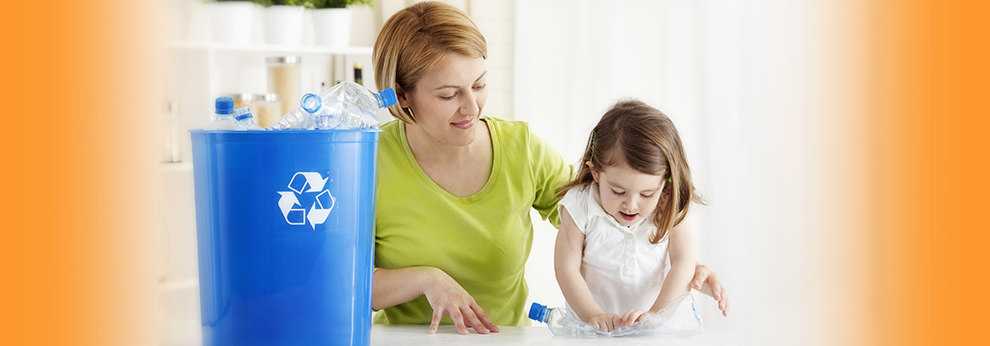
Maximize Recycling Efforts in Schools with These Tips
Posted on 25/08/2025
Maximize Recycling Efforts in Schools with These Tips
As environmental awareness continues to grow, schools play a critical role in fostering sustainable habits among students, staff, and the communities they serve. Maximizing recycling efforts in schools can significantly reduce waste, conserve natural resources, and instill lifelong sustainability values in young minds. Whether your school is just starting its recycling program or seeking new ways to enhance existing efforts, implementing effective strategies is essential for lasting impact.
Why Recycling in Schools Matters
Schools are microcosms of society, bustling with activity and generating a significant amount of waste daily. Much of this waste--such as paper, plastics, cans, and food scraps--can and should be recycled. Recycling in educational settings not only benefits the environment but also serves as a powerful educational tool.
- Environmental Impact: Recycling reduces landfill waste, decreases pollution, and conserves resources like trees and water.
- Educational Value: Students learn about waste management, environmental responsibility, and sustainable practices.
- Cost Savings: Schools can often lower waste disposal costs and even generate revenue from certain recyclable materials.
- Community Leadership: Schools set an example for families and the wider community to adopt greener behaviors.

Assessing Your School's Recycling Needs
Before launching or upgrading a recycling initiative, it's essential to analyze your school's unique needs and challenges. Here's how you can get started:
Conduct a Waste Audit
A waste audit provides valuable insight into the types and quantities of materials discarded in your school. Gather a team of students and staff to:
- Collect samples of waste from various areas (classrooms, cafeterias, offices).
- Sort waste into categories: paper, plastics, metals, glass, food, and landfill.
- Quantify the amounts and identify the most common recyclables.
This information enables you to prioritize efforts and set realistic, measurable goals to improve your school's recycling program.
Proven Tips to Boost Schoolwide Recycling
Ready to ramp up your recycling initiatives? Use these actionable tips to optimize recycling efforts in your school:
1. Establish a Dedicated Green Team
Start by creating an enthusiastic, diverse "green team"--comprising students, teachers, administrators, custodians, and even parents. This team should:
- Lead recycling campaigns and initiatives.
- Monitor progress and make adjustments as needed.
- Serve as role models for environmental stewardship.
2. Set Clear, Achievable Recycling Goals
Pave the way for continuous progress with specific targets, such as reducing landfill waste by 25% or increasing paper recycling schoolwide. Display progress charts and celebrate milestones to maintain motivation.
3. Make Recycling Easy and Accessible
Convenience is key to maximizing recycling rates. Consider the following:
- Strategic Placement: Place labeled recycling bins in high-traffic and high-waste areas like hallways, cafeterias, and classrooms.
- Color-Coding: Use distinct bin colors (e.g., blue for recycling, black for landfill, green for compost) to prevent contamination.
- Regular Collection: Empty recycling bins frequently and ensure custodial staff are trained on proper separation.
4. Educate and Engage the School Community
Education is vital for maximizing recycling participation among students and staff.
- Integrate recycling topics into science, civics, and environmental studies curricula.
- Use assemblies, posters, and digital messages to raise awareness and promote recycling best practices.
- Invite guest speakers or partner with local waste management companies for interactive workshops and presentations.
5. Encourage Student Leadership
Empower students to take ownership by creating recycling competitions, conducting informational campaigns, or producing educational materials. Peer influence can help normalize and sustain recycling behaviors across campus.
6. Monitor and Report Progress
Track quantities of materials recycled and landfill waste over time. Display your school's achievements in highly visible areas. Transparency builds accountability and a sense of pride in collective accomplishments.
7. Reduce, Reuse, THEN Recycle
Integrate the broader "reduce, reuse, recycle" mindset. Prioritize:
- Reducing single-use items and unnecessary packaging.
- Encouraging reusables such as water bottles, lunch containers, and classroom supplies.
- Hosting swap events for books, uniforms, or art supplies.
By focusing on reduction and reuse, your school can minimize waste before it even enters the recycling stream.
8. Celebrate Successes and Share Stories
Recognize outstanding efforts and share inspiring stories through newsletters, social media, and at school assemblies. Showcase student leaders and recycling "champions" to motivate others to follow suit.
Advanced Strategies for Maximizing School Recycling
If your school has mastered the basics, consider these advanced recycling tactics:
1. Compost Organic Waste
Start a composting program in the cafeteria and science classrooms to process food scraps and yard waste. Use finished compost to nurture a school garden--an excellent hands-on learning opportunity.
2. Host E-Waste Collection Events
Dispose of outdated electronics responsibly by organizing annual e-waste drives. Students can learn about the hazards of electronic waste and the value of recycling old devices.
3. Take Part in National and Local Recycling Challenges
Join programs like America Recycles Day or local recycling competitions to foster team spirit, win awards, and attract media coverage to your school's green achievements.
4. Partner with Local Businesses
Forge partnerships with nearby recycling centers, waste haulers, and eco-friendly businesses. They may offer resources, educational tours, or sponsorship for school recycling initiatives.
5. Optimize Paper Usage
- Encourage duplex (double-sided) printing and digital documents.
- Set up a "scratch paper" station for one-sided printed sheets.
- Reuse old flyers, handouts, and homework pages as notepads.
6. School-Wide Waste-Free Events
Adopt "zero waste" principles in school fairs, sports games, and fundraising events by providing compostable materials and reusable alternatives.
Common Recycling Pitfalls and How to Avoid Them
Even the most well-intentioned recycling efforts in schools can encounter obstacles. Here's how to sidestep common challenges:
- Contamination: Non-recyclable materials in recycling bins can ruin batches. Provide clear signage and education on what belongs in each bin.
- Lack of Buy-In: Engage all stakeholders--teachers, custodians, parents, and students--in the design, rollout, and maintenance of your recycling efforts.
- Inconsistent Collection: Schedule regular recycling pickups with staff or outside providers to prevent overflow and discourage improper disposal.
- Insufficient Funding: Apply for environmental grants or partner with local sponsors to cover costs of bins, signage, or program extras.
Recycling as a Teaching Tool: Curriculum Integration Ideas
When you maximize recycling in schools, you also enrich the curriculum with interdisciplinary, hands-on learning experiences.
- Science: Study the decomposition process, the lifecycle of materials, and the environmental impact of waste.
- Math: Track recycling rates, calculate percentages, and project future waste trends.
- Social Studies: Explore local and global waste management systems and policies.
- Art: Use recyclable materials in creative projects, showcasing the beauty and utility of upcycling.
Sample Project Ideas
- Organize a waste audit as a science experiment.
- Design awareness posters as an art project.
- Write persuasive essays or speeches on the importance of recycling.
Building a Whole-School Recycling Culture
Achieving maximum recycling in a school requires a culture shift--one where sustainability is embraced at every level, from leadership to students. Here's how to foster that environment:
- Model Sustainable Behavior: Administrators and teachers should lead by example--using reusables, sorting waste correctly, and encouraging green practices.
- Include Recycling in Policies: Incorporate waste reduction and recycling commitments into your school's official policies, handbooks, and annual goals.
- Engage Families: Extend education and awareness through newsletters, parent-teacher meetings, and take-home activities.
Conclusion: Leading the Way for a Greener Future
By maximizing recycling efforts in schools, you prepare students to be environmentally responsible citizens and make a significant, positive impact on the planet. Start with small, manageable steps, involve the whole school community, and celebrate every victory. As habits grow, so will the benefits--to the environment, your school, and the future generations you inspire. Adopt these tips for maximizing school recycling, and help lead your community toward a brighter, cleaner tomorrow!

Frequently Asked Questions
- Q: How can we avoid recycling bin contamination in schools?
- Post clear signage and provide regular training on what is--and isn't--recyclable.
- Monitor bins and give feedback when contamination occurs.
- Q: What materials should our school recycle?
- Most schools can recycle paper, cardboard, plastics (check local guidelines), cans, and sometimes glass and electronics.
- Q: How do we encourage staff and student participation?
- Engage through competitions, recognition, and regular updates on progress and environmental impact.
Further Resources
- EPA Guide to Recycling
- National Geographic: Recycling Explained
- Recycle Across America: School Recycling Facts
Latest Posts
Innovative Strategies for Office Recycling
Working Green: A Journey to Zero Office Waste
Ingenious Ways to Refashion Your Old Garments